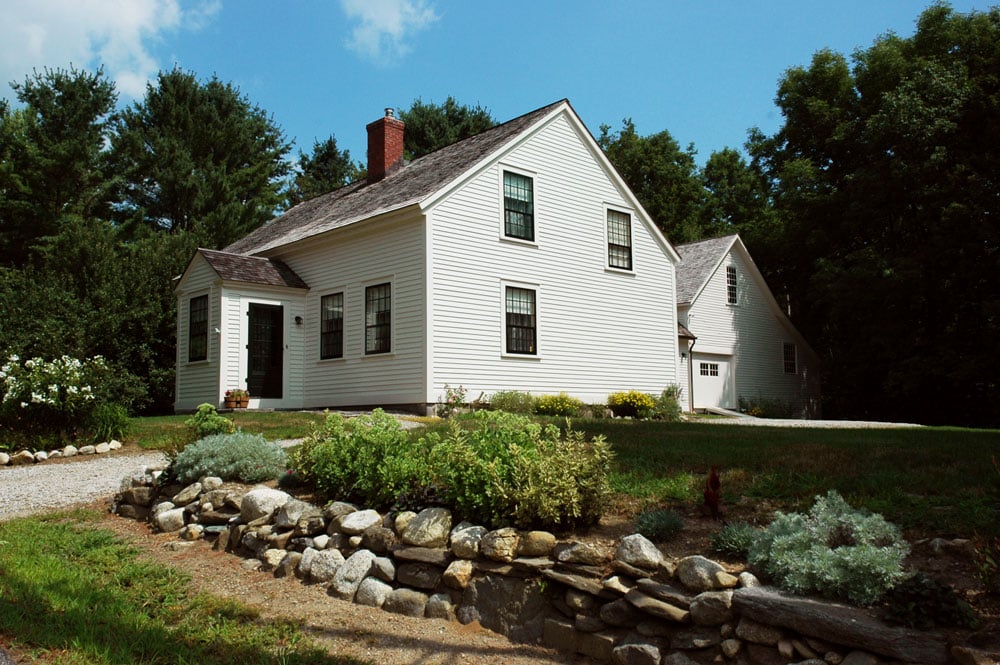
Rumney, New Hampshire
About the Tour
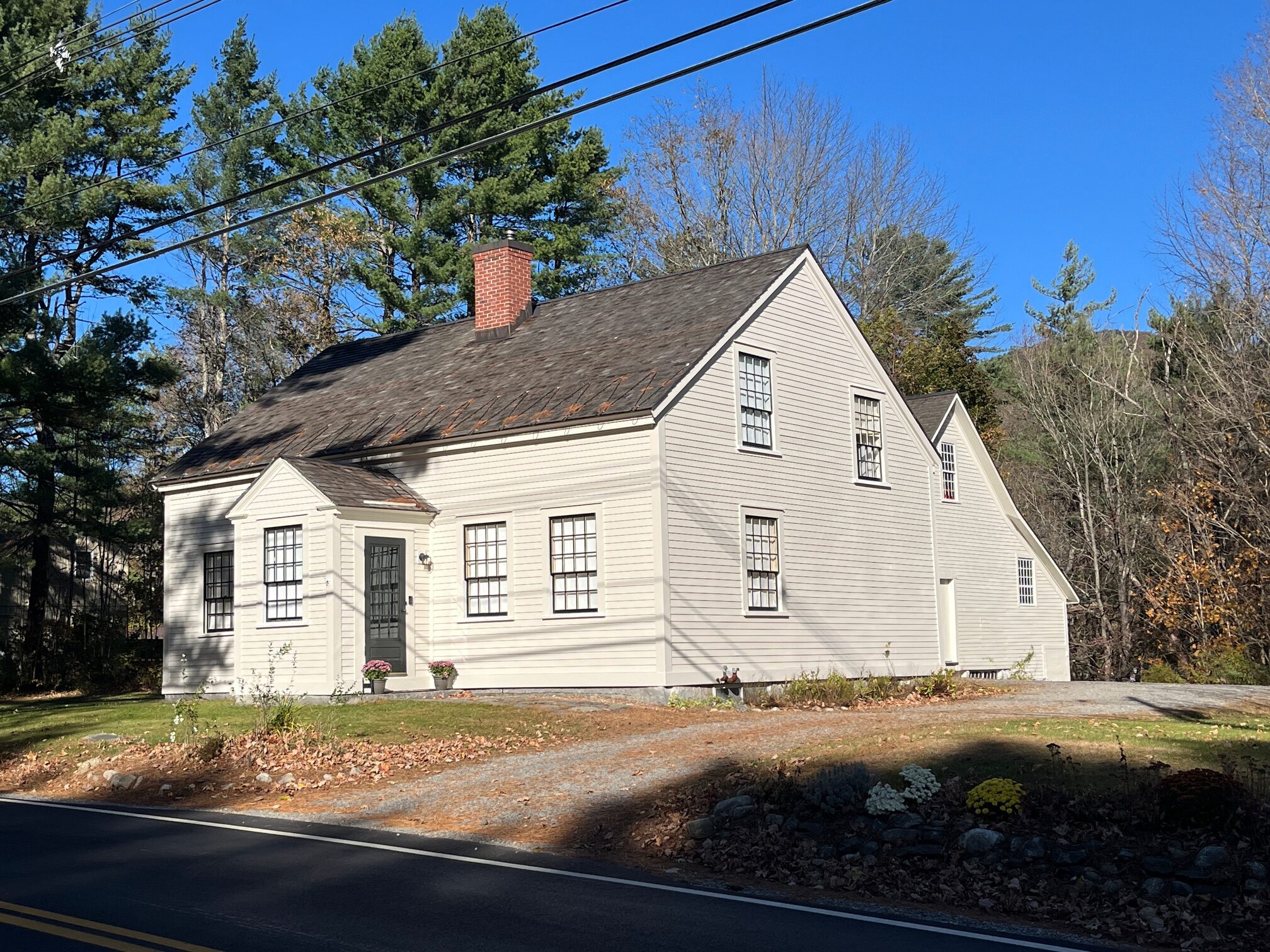
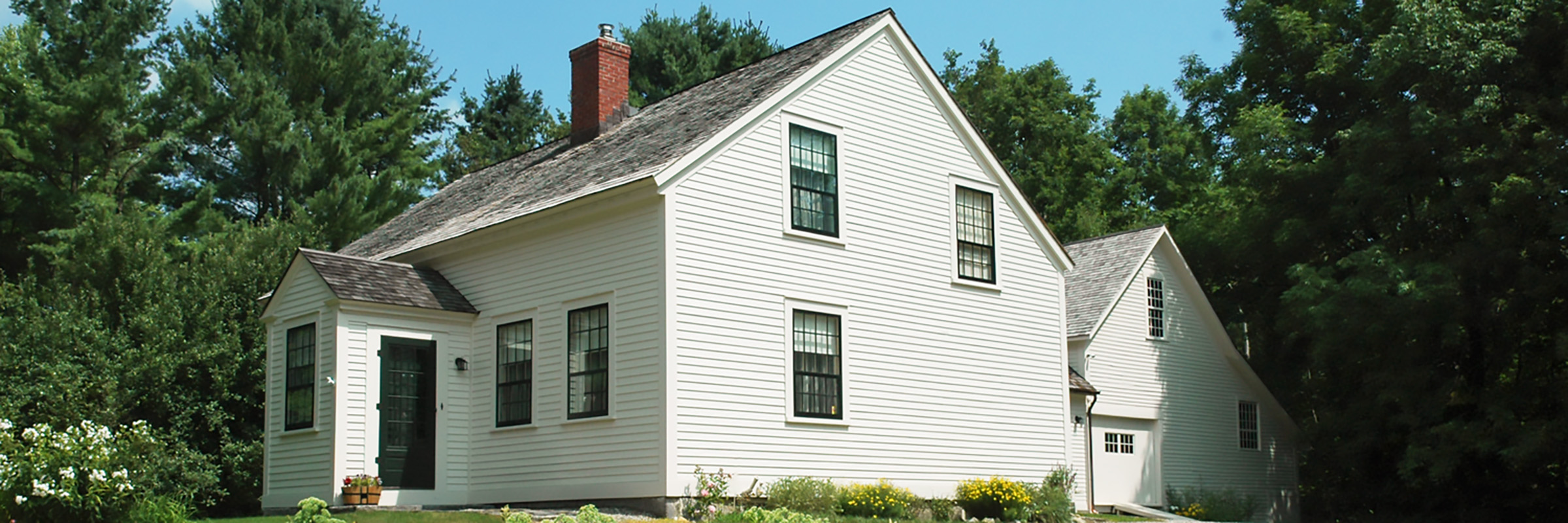
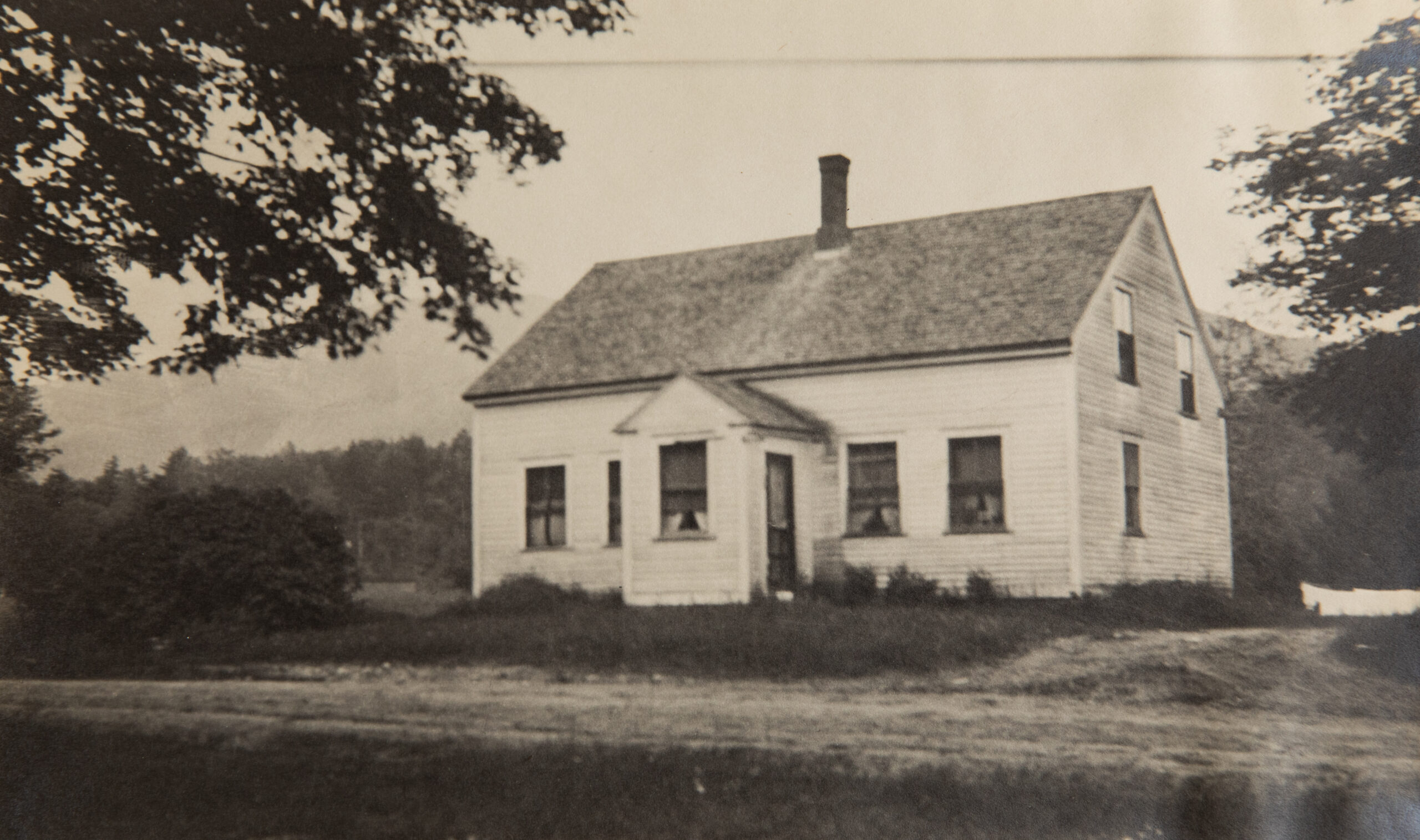
Mary Baker Eddy lived in this house after five difficult years in nearby North Groton. During her time here (1860–1862), her prospects brightened, if only in limited ways. She reconnected with her son, and her health improved somewhat. She also began to write down her thoughts on the spiritual meaning of the Bible.
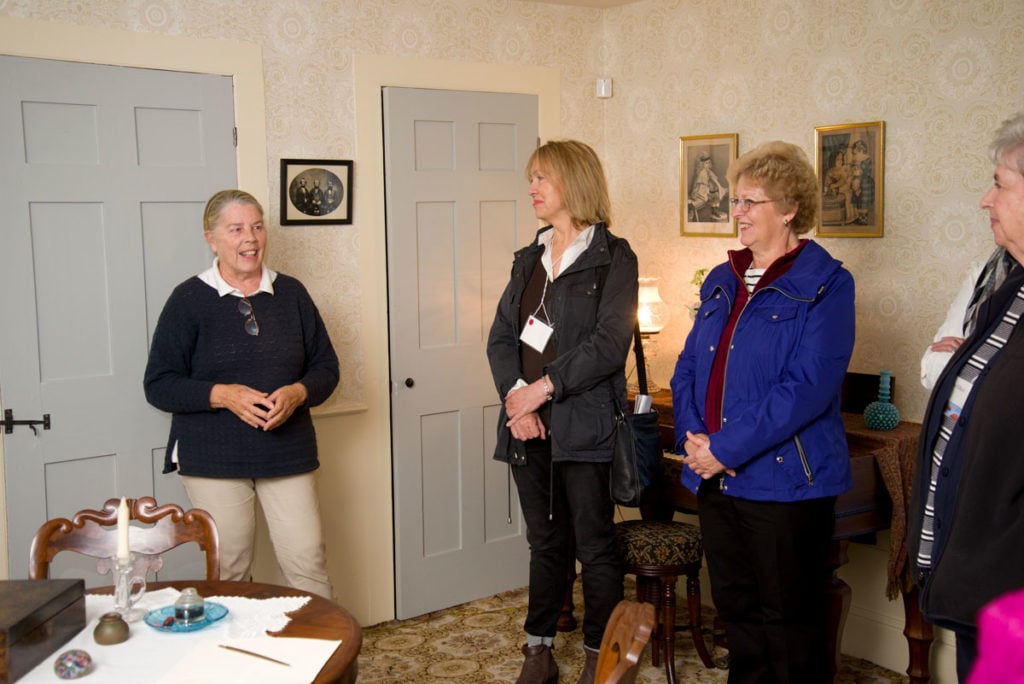
During your tour, you will learn about the labors and achievements of a remarkable woman who would go on to become one of the most famous in the United States. You’ll also learn about the house—one of the earliest in Longyear Museum’s collection—along with details of day-to-day life in the mid-19th century.
Tour also includes the Mary Baker Eddy Historic House in North Groton, New Hampshire, but begins at Rumney.
Tour duration: 90 minutes, plus 10 minutes of travel between the two houses
Location
58 Stinson Lake Rd.
Rumney,
NH
03266
Admission
Adults (18+): $15 (includes tour of North Groton house)
Youths (7–17): $7.50
Children (under 7): Free
Members: Free (View membership information.)
For groups of 10 or more, or if you have questions, please call 617.278.9000.
Hours
May 1 through Oct. 31:
Open by appointment.
Please call 617.278.9000 to schedule a tour.
Minimum 72-hour (three-day) notice required.
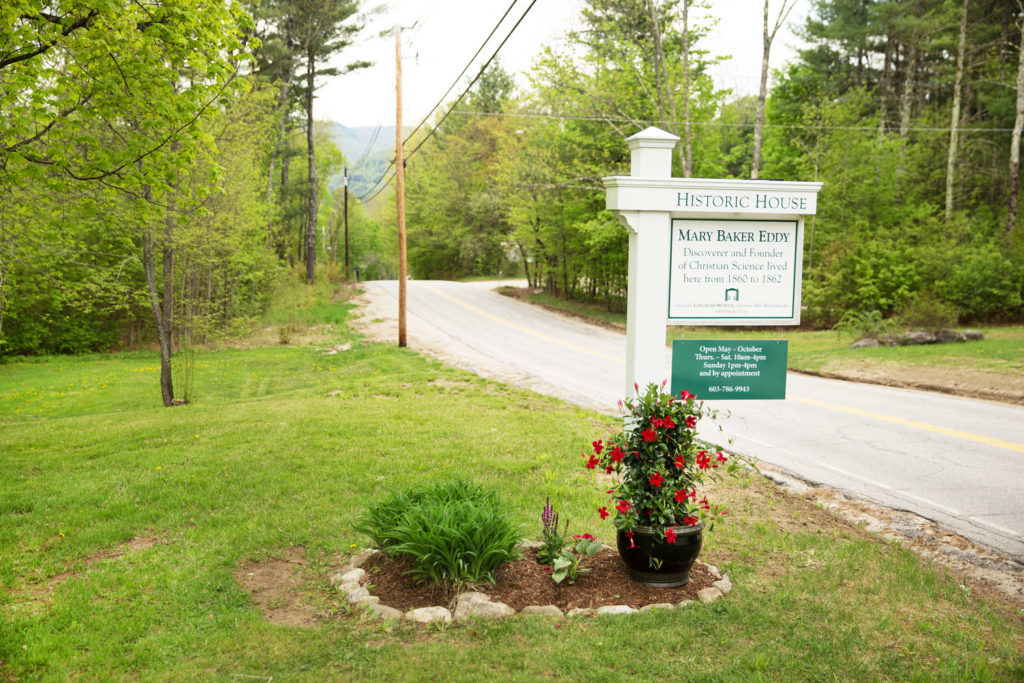




Directions and Parking
Address:
58 Stinson Lake Rd.
Rumney,
NH
03266
Parking:
Free parking is available.
Frequently Asked Questions
Neither the Rumney nor North Groton house is accessible. The tour involves standing, walking, some climbing of stairs, and only limited opportunity for sitting. If you will be accompanied by a service animal, please indicate this when you purchase tickets.
Backpacks and large bags are not permitted.
Food or drinks, including water bottles and children’s drink containers, are not permitted inside the houses.
Yes. Photography taken with a handheld device is permitted for personal use. Flash photography is not allowed, nor is the use of selfie sticks. No photos or videos, whether of the inside or outside, may be used or published in print or online for any commercial or academic purposes without permission. Professional/commercial photographers and members of the media should contact the Office of Communication at 617.278.9000, Ext. 250.
Strollers are not permitted in either house, and parents should plan on carrying very young children during the tour.
Free parking is available at both houses. Visitors are expected to provide their own transportation between the two houses.
Minimum 72-hour (three-day) notice is required. Tickets purchased are non-refundable but can be transferred to a different date. For assistance transferring your ticket, please call us at 617.278.9000.
Please meet at the Rumney house before traveling to the North Groton house to begin the tour. We recommend arriving at least 10 minutes ahead of your scheduled tour time. Bathroom facilities are only available at the Rumney house. There is no cell service at the North Groton house or on the road up to it.
More Mary Baker Eddy Historic Houses
The Story
After five difficult years living in nearby North Groton, Mary Baker Eddy and her second husband, Daniel Patterson, moved to Rumney in 1860. Dr. Patterson became the town dentist, and their finances improved.
While living here, Mrs. Eddy (then known as Mrs. Patterson) received a letter from her son, George. He was alive and well—an underage volunteer in the Union army. By that time in 1861, the Civil War was raging, and the news of George’s enlistment brought the war close to home. In addition, some months later in 1862, Daniel Patterson was captured and imprisoned by Confederates after attempting to deliver funds to Union sympathizers in the South. Mary was untiring in her efforts to secure her husband’s release. In the end, he escaped and returned to her.
Persisting in her search for health, Mrs. Eddy set out from Rumney for Dr. Vail’s Hydropathic Institute at Hill, New Hampshire, but found the treatment ineffective. Later, she visited Phineas Quimby of Portland, Maine, a former clockmaker and stage mesmerist turned “magnetic healer,” claiming to cure without drugs. Quimby’s treatments, which today might be called “suggestive therapeutics” or “therapeutic touch,” offered Mrs. Eddy some relief from her ailments, but when she was away from his commanding presence, her illness returned. However, these and other experiences encouraged her efforts to “trace all physical effects to a mental cause” (Mary Baker Eddy, Retrospection and Introspection, 24).
After two years here, the couple had to move on. Eventually they settled in Massachusetts, where Dr. Patterson reestablished himself in the practice of dentistry.
Years Mary Baker Eddy Lived Here
1860–62
Highlight
Mary Baker Eddy’s prospects brightened while living in this house, and it was here that she began to write down her thoughts on the spiritual meaning of the Bible.
House Fact
This house, purchased in 1920, was the first Mary Baker Eddy Historic House to be acquired by philanthropist and preservation pioneer Mary Beecher Longyear.
The House
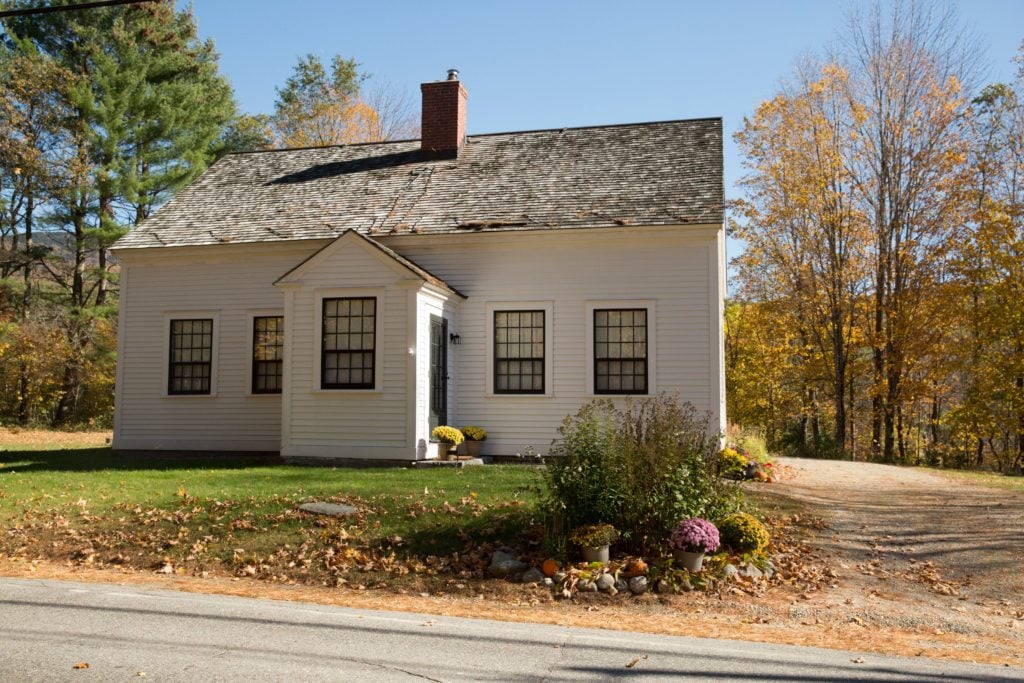
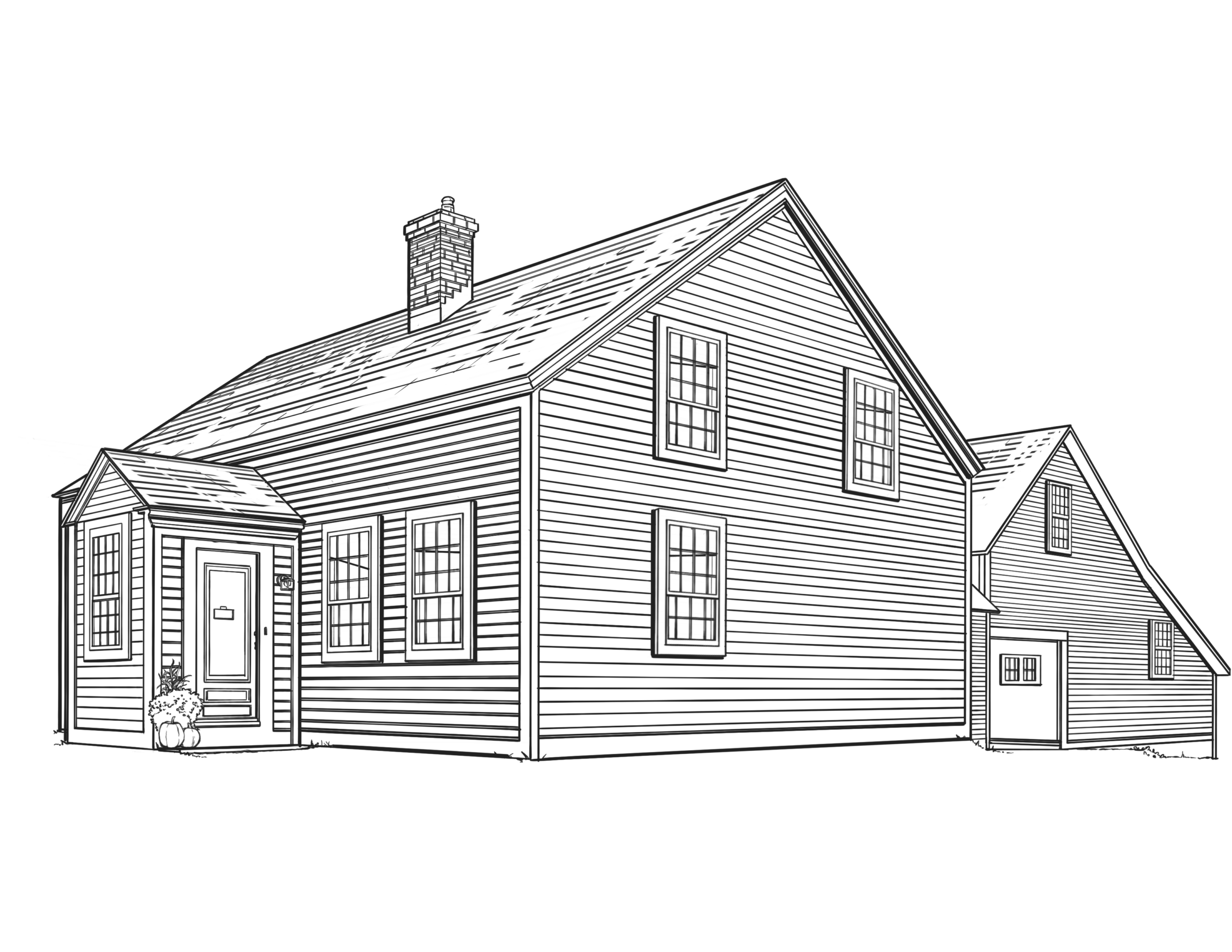
Sometime before the Pattersons moved here in 1860, this former saltbox structure had been enlarged to a five-room Cape Cod-style cottage. The shed and barn were later additions.
Between 2005 and 2008, the exterior and interior of the house were restored according to updated historical research. It now looks much as it did when the Pattersons lived here. The interior is furnished to reflect modest rural housing of the mid-19th century. A few of the items in the house belonged to Mrs. Eddy.
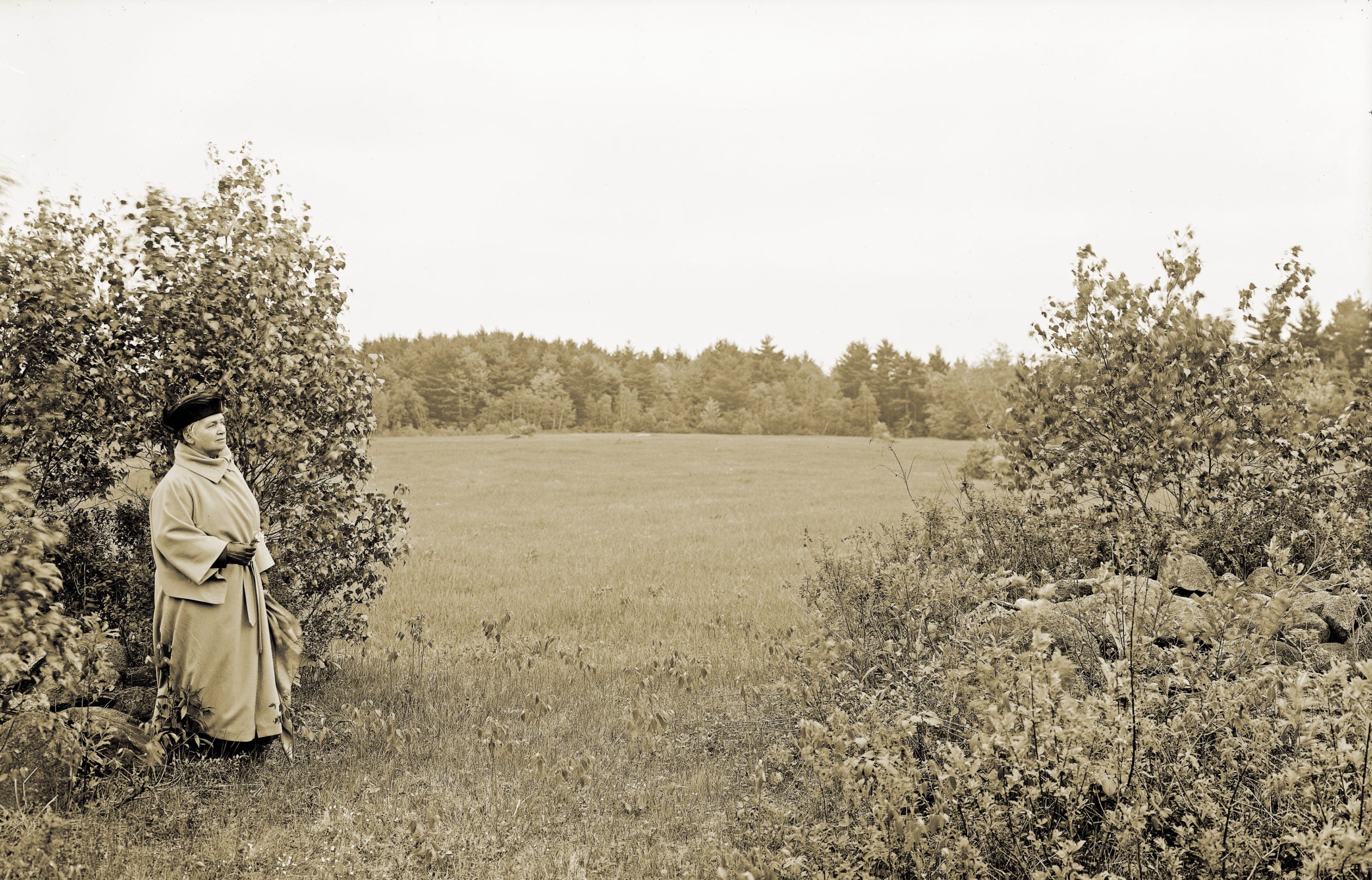
This house was purchased in 1920 by philanthropist and historic preservation pioneer Mary Beecher Longyear, the first of the residences she bought where Mary Baker Eddy once lived and worked. The homes in Rumney and North Groton, New Hampshire, and Swampscott and Amesbury, Massachusetts—all where Mary Baker Eddy once lived and worked—form the earliest part of Longyear Museum’s collection.