Here’s a long and fun word that might be a tongue-twister unless you practice it: semiquincentennial (pronounced: Seh-mee-kwinn-sen-ten-ee-el)!
Any idea what it means? We don’t use it often, but it’s the name for a 250th anniversary.
This year, 2026, is the semiquincentennial of the United States. It’s the 250th anniversary of the signing of the Declaration of Independence on July 4, 1776. That’s when the U.S. became a country.
There will be lots of special events to celebrate the semiquincentennial this year, and you might even end up going to one. But we aren’t the first people to mark an important national anniversary: Americans have been doing this for a long time. Even way back in 1876, they celebrated the centennial, the nation’s first 100 years.
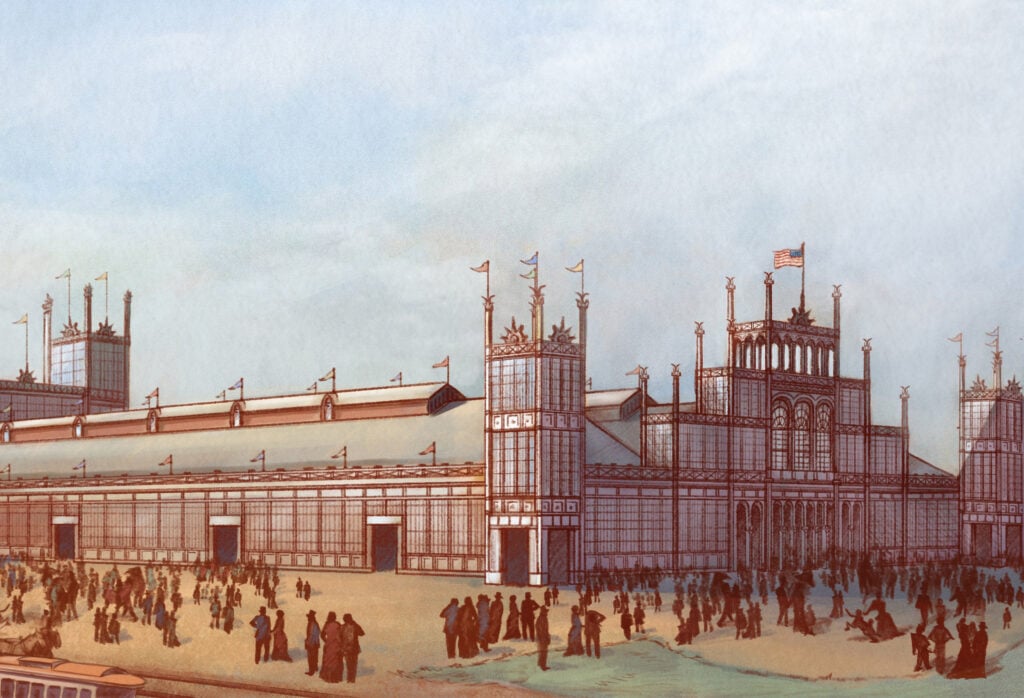
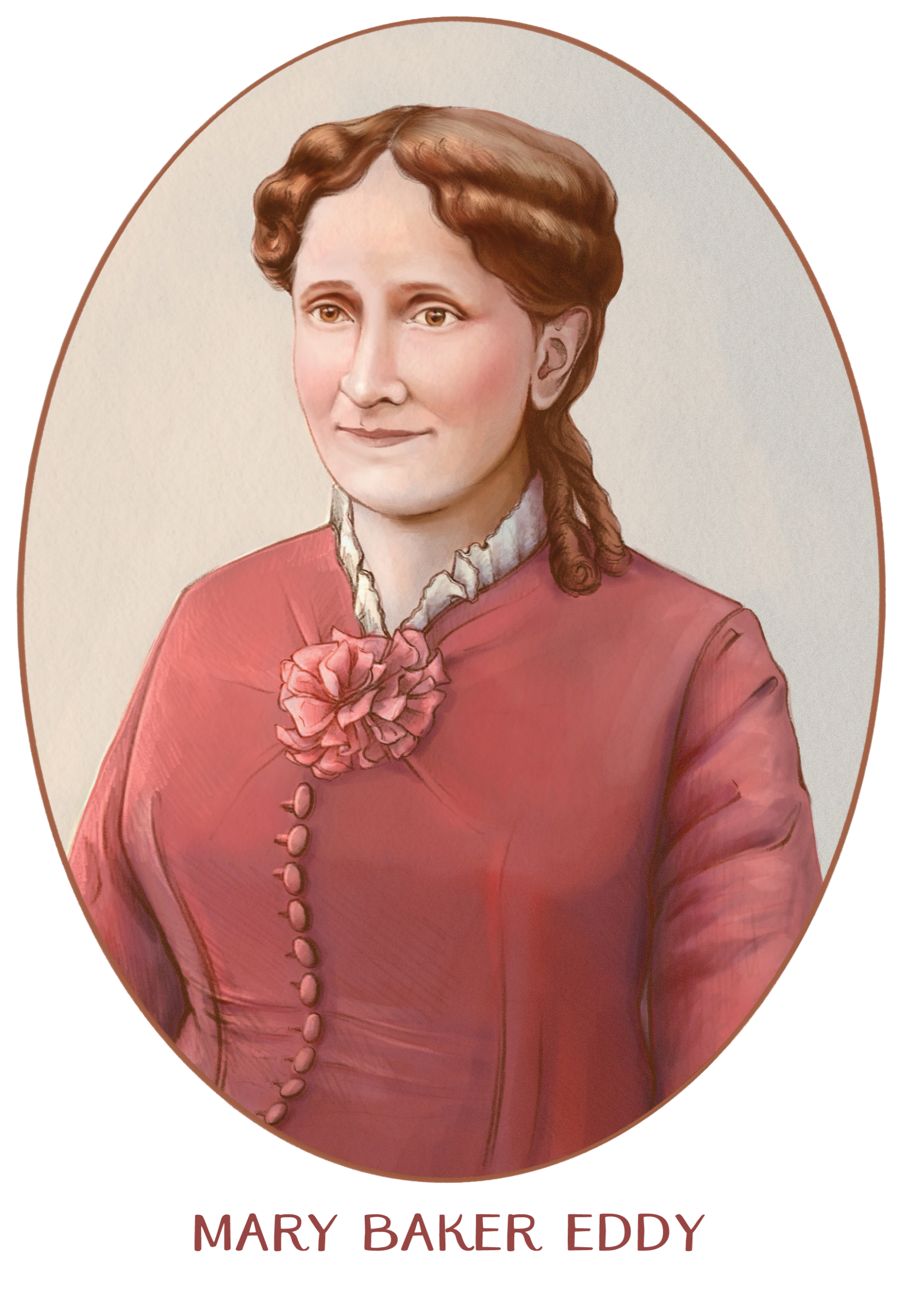
Mary Baker Eddy, the woman who discovered Christian Science, was one of millions of Americans who took part in the celebrations. The year before, in 1875, she had just published her book Science and Health with Key to the Scriptures (called just Science and Health at the time). She was busy teaching people about Christian Science in the Boston area, but in the fall of 1876 she took a trip south to Pennsylvania to see a big exhibition in Philadelphia in honor of the centennial.
The exhibition had musical instruments, food, furniture, pottery, rugs, machines, and other products from all over the world. There were barns for show horses, cattle, and pigs. Some exhibits celebrated new technology of the day, such as the telephone recently invented by Alexander Graham Bell. The exhibition had opened in May 1876, and by the time Mrs. Eddy arrived that fall, more than 8 million people had already seen the many amazing things on display.
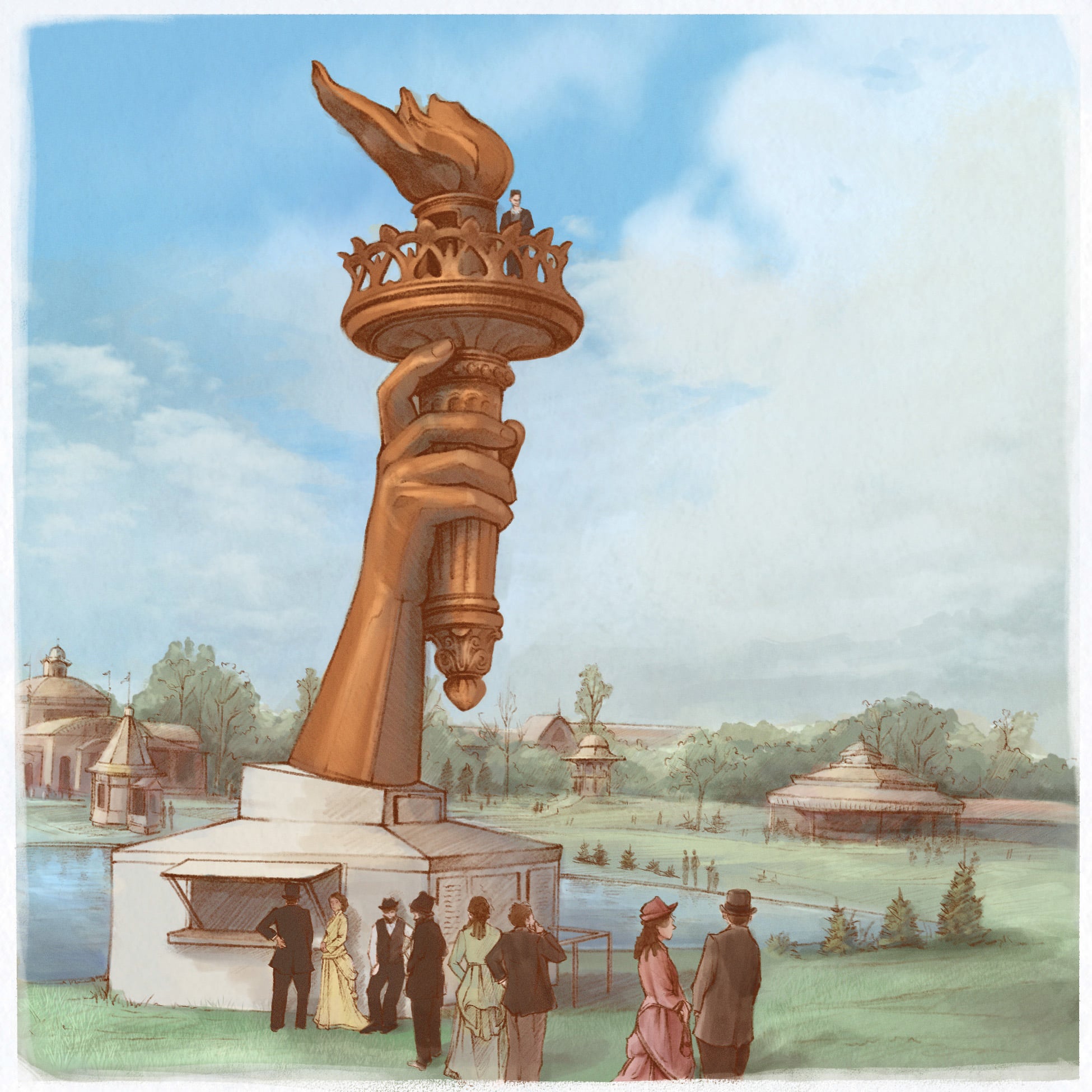
Mrs. Eddy said she was so enthusiastic about what she saw at the exhibition that she was “gushing” and absolutely had to write about it. “Passing over the beautiful railway bridge, with its stone arches, on your way to the Exhibition, you find yourself in the midst of fountains, monuments, and—on enchanted ground,” Mrs. Eddy wrote in an article for her local newspaper, the Lynn Transcript. She enjoyed the “Fountain of Light and Water” by French sculptor Auguste Bartholdi. Mr. Bartholdi was also making a famous statue for the U.S. to symbolize freedom—the Statue of Liberty! The giant hand and torch were already complete and on display at the exhibition. People could climb into its balcony.
“[T]he wonder created in the Main Building has not worn off,” Mrs. Eddy wrote. What were some things that gave her that sense of wonder? Samples of different minerals, a large diamond necklace, and a silver “Century Vase” that stood over four feet tall.
Several of the pieces of art Mrs. Eddy commented on were based on accounts from the Bible, which she had loved to read since she was a little girl. A French tapestry showed Jesus and his 12 disciples. A sculpture depicted Moses trampling on the crown of Pharaoh, the ruler of Egypt who kept the people of Israel as slaves.
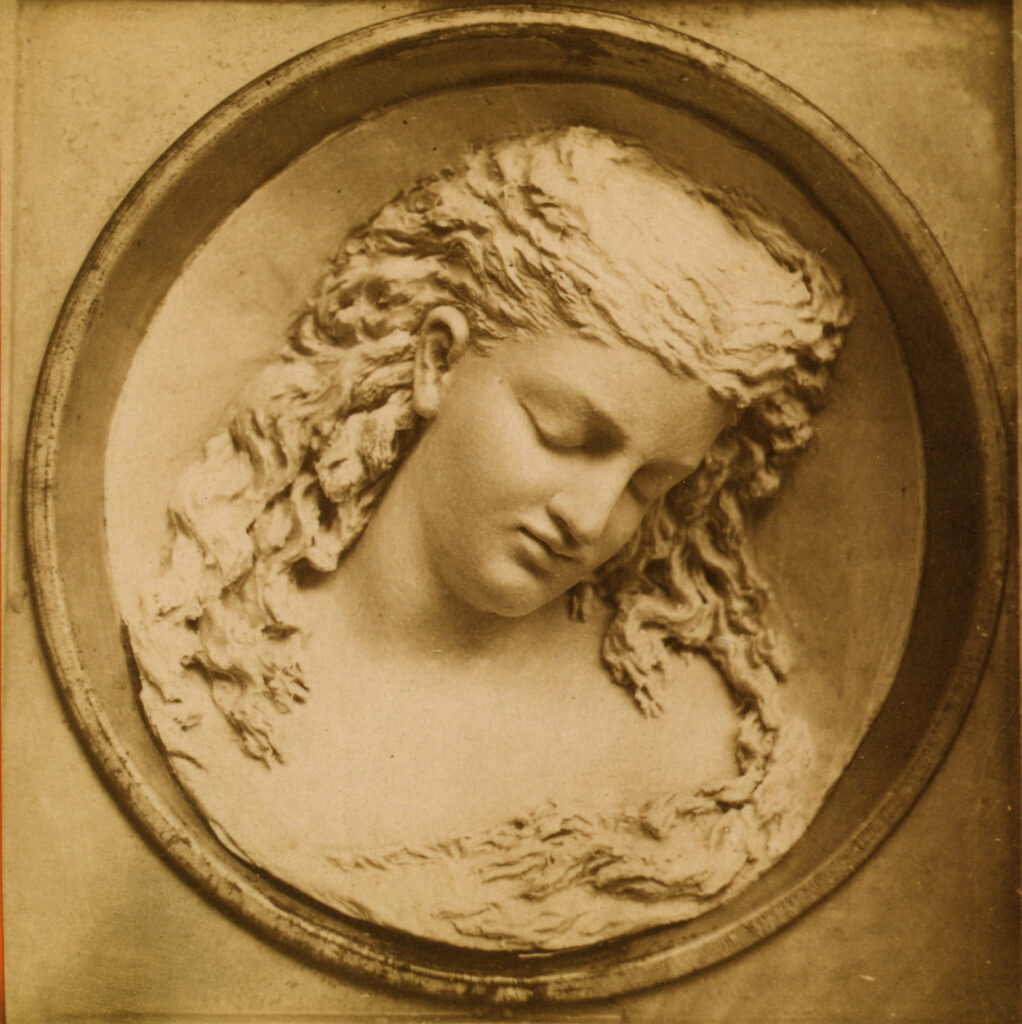
Another sculpture, the head and shoulders of a woman supposedly made from butter, also caught Mrs. Eddy’s attention. She was skeptical. Was it really butter? Maybe it was made from wood, she suggested, and oiled every day “to shine like the face of an angel.” The sculptor, Caroline Shawk Brooks, was from a farm family in Arkansas and did indeed make her sculptures out of butter, using a pan of ice to keep them firm.
Part of the exhibit included the Gillinder & Sons building, where visitors could see glassmakers blow through long tubes to turn extremely hot liquid glass into things like goblets and vases. The building had a large brick furnace and chimney in the middle.
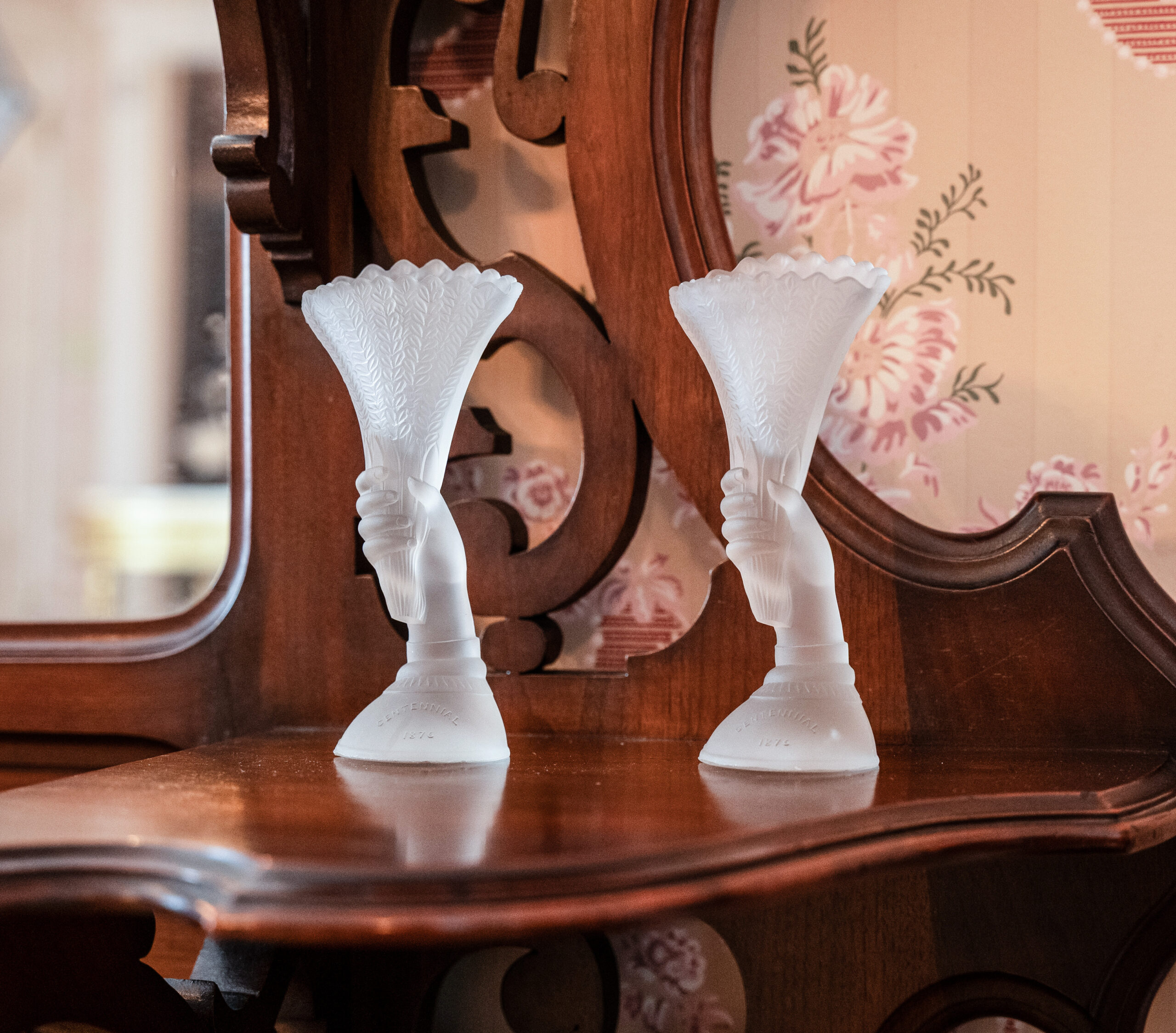
People bought special souvenirs there, including small flower vases in the shape of a hand holding a sheaf of wheat. We don’t know whether Mrs. Eddy purchased any souvenirs, but we do know that she owned two of the hand-shaped vases. (They could have been given to her as gifts.) They are in the Longyear collection today and have “Centennial 1876” etched right into the glass.
Even while Mrs. Eddy was enjoying the exhibition and its celebration of 100 years of freedom from Britain, she was always thinking about Christian Science and a different kind of freedom. Her greatest desire was to help people be free from sickness and sin through a better understanding of God.
“The lame, the deaf, the dumb, the blind, the sick, the sensual, the sinner, I wished to save from the slavery of their own beliefs,” she wrote in Science and Health (226). She went on to say, “Christian Science raises the standard of liberty and cries: ‘Follow me! Escape from the bondage of sickness, sin, and death!’ Jesus marked out the way. Citizens of the world, accept the ‘glorious liberty of the children of God,’ and be free!” (227).
One reader of Science and Health—a man named Eldridge Smith who was living part-time in Philadelphia in 1876—was catching Mrs. Eddy’s message about freedom. He seemed more interested in the treasures of her book than in the wonders of the exhibition. “The wealth of worlds could not purchase the knowledge I feel I have obtained of the science of Life in the study of your book and the Bible,” he wrote to her.
Mr. Smith was working to overcome a severe illness through his study of Christian Science, and he later would report being fully healed. He wanted to help distribute Science and Health in Washington, D.C., where he was heading for the winter. “[M]y constant thought and prayer is to live to bless humanity,” he wrote.
Mrs. Eddy set an excellent example of how to live to bless humanity. On July 4, 1876, she hosted an important gathering—not for having a picnic or watching fireworks, but to take the first step toward sharing Christian Science far more widely.
“The first Christian Scientist Association was organized by myself and six of my students in 1876, on the Centennial Day of our nation’s freedom,” she wrote in her book Retrospection and Introspection. This group would pave the way for the founding of Mrs. Eddy’s church.
Just as on that Fourth of July, Mrs. Eddy was always thinking about how to help the world through Christian Science. Years later she would tell a reporter: “All my efforts, all my prayers and tears are for humanity, and the spread of peace and love among mankind.”
Would you like to celebrate the semiquincentennial by doing something to help the world? How could your prayers and talents help spread peace and love among mankind? If you’d like to share your ideas with us, we’d love to hear from you! You can contact us at research@longyear.org.
For much of her life as a teenager and as an adult, Mary Baker Eddy published articles and poems in newspapers, including the news piece she wrote for the Lynn Transcript about the Centennial Exhibition. Other sources for this article include The Illustrated History of the Centennial Exhibition, by James McCabe, the Christian Science Sentinel, and unpublished letters and documents at the Mary Baker Eddy Library in Boston, Massachusetts.
Stacy A. Teicher is Longyear’s senior research associate.