William and his friends called the president by his nickname, “Old Abe.” He was a hero to them. William got close to the speaker’s platform to look up into Mr. Lincoln’s face. “I was less interested in what the president had to say than I was by his appearance, his manner, his voice,” he later explained. “Their homeliness, earnestness, and sincerity impressed me then, and have been with me throughout the succeeding years.”
Today, more than 150 years later, people still love what President Lincoln said that day. He spoke about consecrating Gettysburg National Cemetery. To consecrate means to set something aside as holy, or to honor it. He said, “The brave men, living and dead, who struggled here, have consecrated it, far above our poor power to add or detract.” He ended his short address with the hope “that this nation, under God, shall have a new birth of freedom—and that government of the people, by the people, for the people, shall not perish from the earth.”
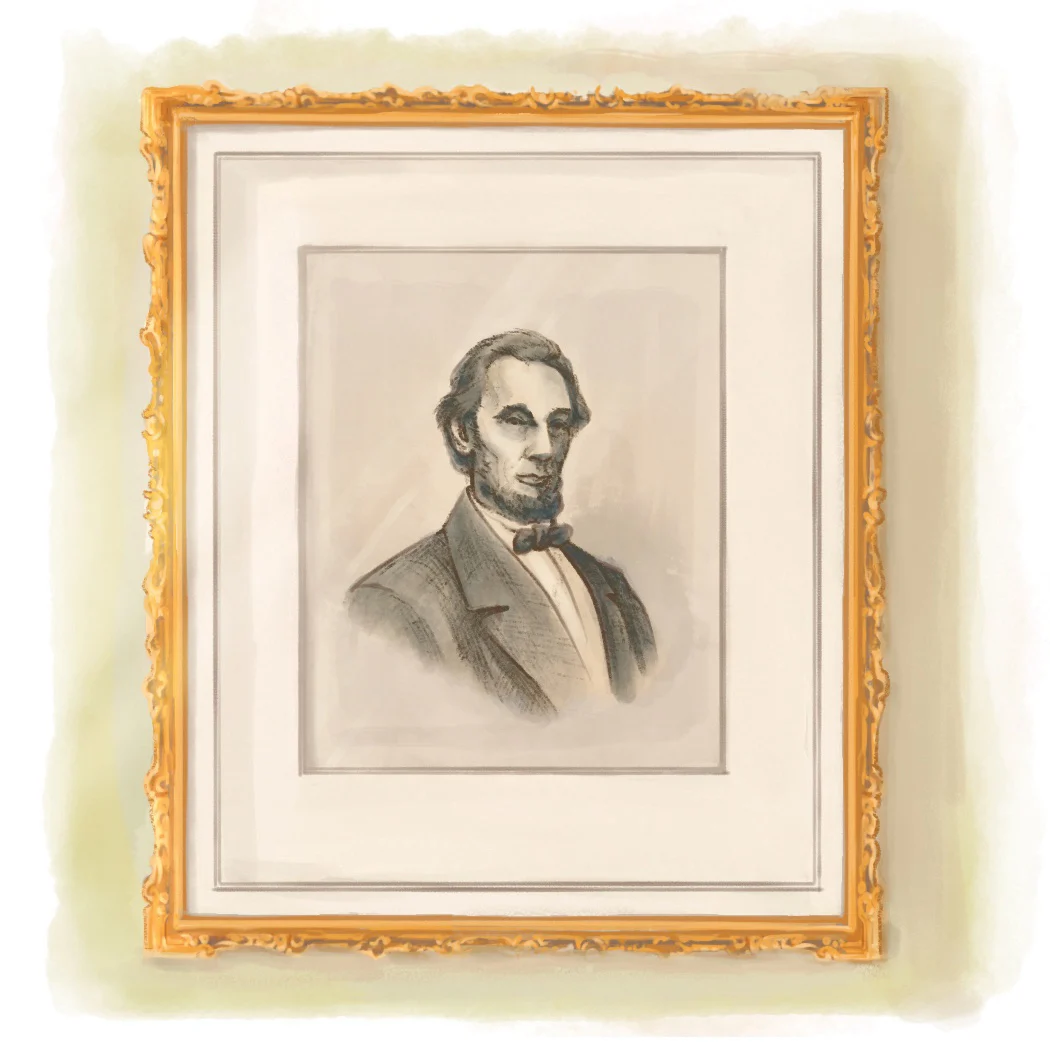
Mary Baker Eddy was a fan of Abraham Lincoln, too. She had his portrait in her house at 400 Beacon Street, in Chestnut Hill, Massachusetts, as well as an engraving of him with his Emancipation Proclamation, which freed enslaved people in the South. She wrote in Science and Health with Key to the Scriptures, “Slavery is not the legitimate state of man. God made man free. Paul said, ‘I was free born.’ All men should be free. ‘Where the Spirit of the Lord is, there is liberty.’ Love and Truth make free, but evil and error lead into captivity” (227).
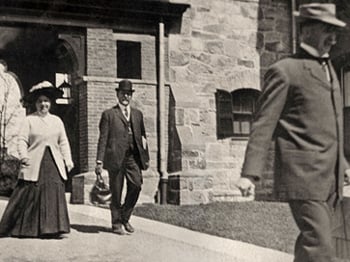
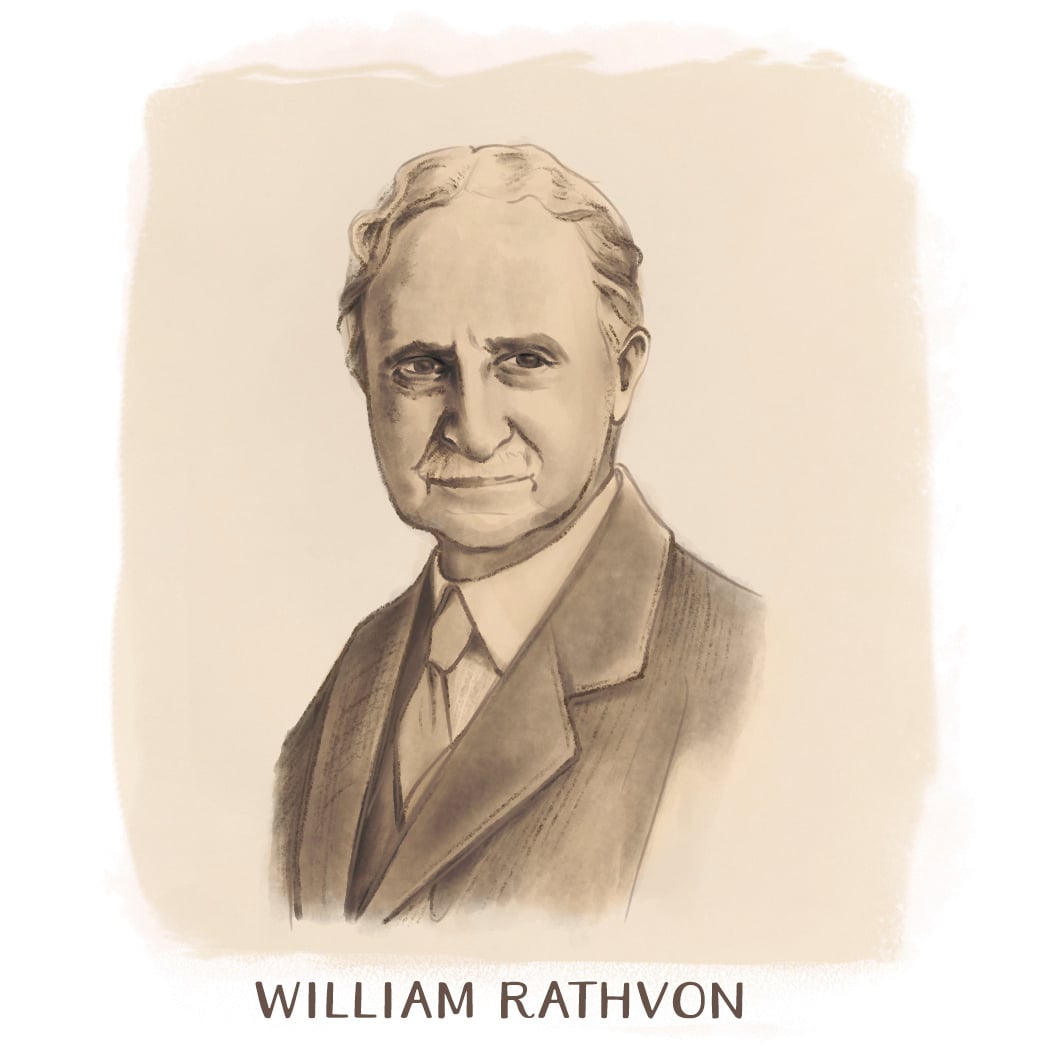
Forty-five years after hearing the president speak, William Rathvon was helping in Mrs. Eddy’s household. He worked on letters to and from people all over the world. Irving Tomlinson, another helper, said, “In this way he saved [Mrs. Eddy] much time and labor and rendered valuable service to her and the Cause [of Christian Science].” In a picture taken of Mr. Rathvon some years later while he was hard at work at his desk, you can see a portrait of Lincoln on his wall. He thought about “Old Abe” long after that November day in 1863.
Mr. Rathvon remembered family stories of the Battle of Gettysburg. His aunt and uncle’s house briefly became Confederate headquarters when Gen. Richard Ewell took it over. His aunt rode her horse to her parents’ home with her youngest child in her arms. “Good Lord, boys, she’s carrying a baby,” one soldier said, and they let her pass. She rode back the next morning because she had forgotten the family Bible.
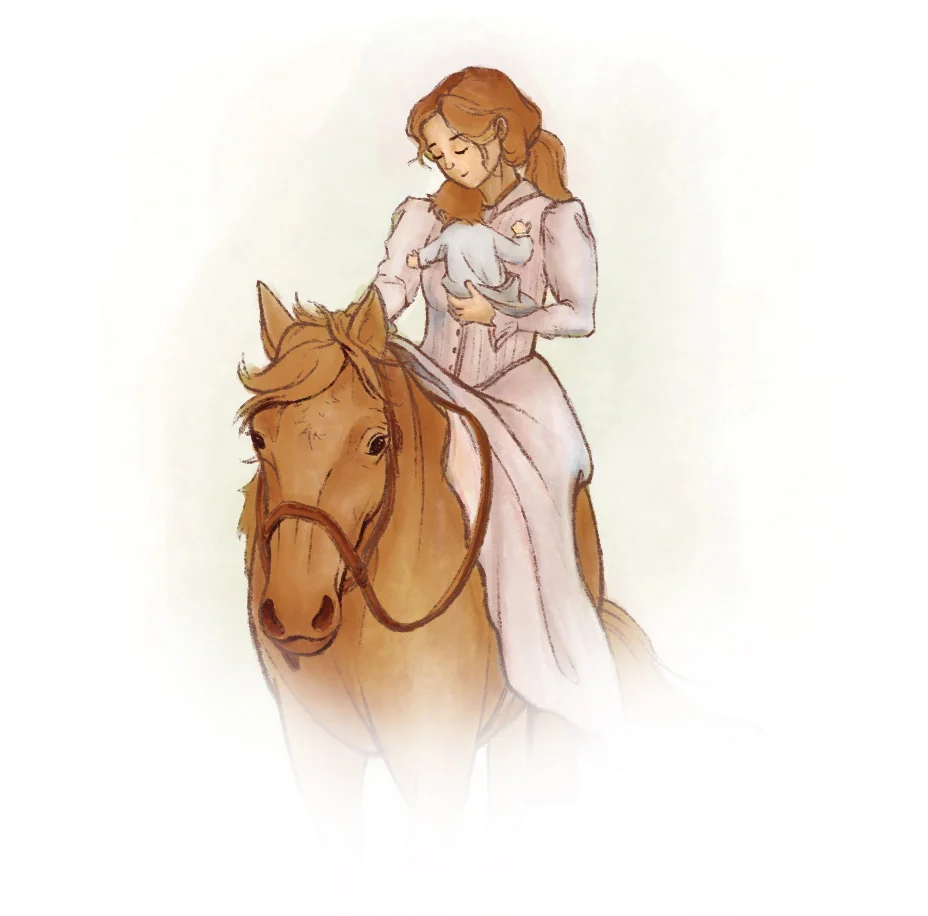
General Ewell was asleep on the floor, his head resting on it. William was told that “without a moment’s hesitation, she snatched the Bible out from under the general’s head” and rode back to her parents’ house! And William’s grandmother hid Union soldiers from troops that were chasing them. After three days, the Confederate Army retreated.
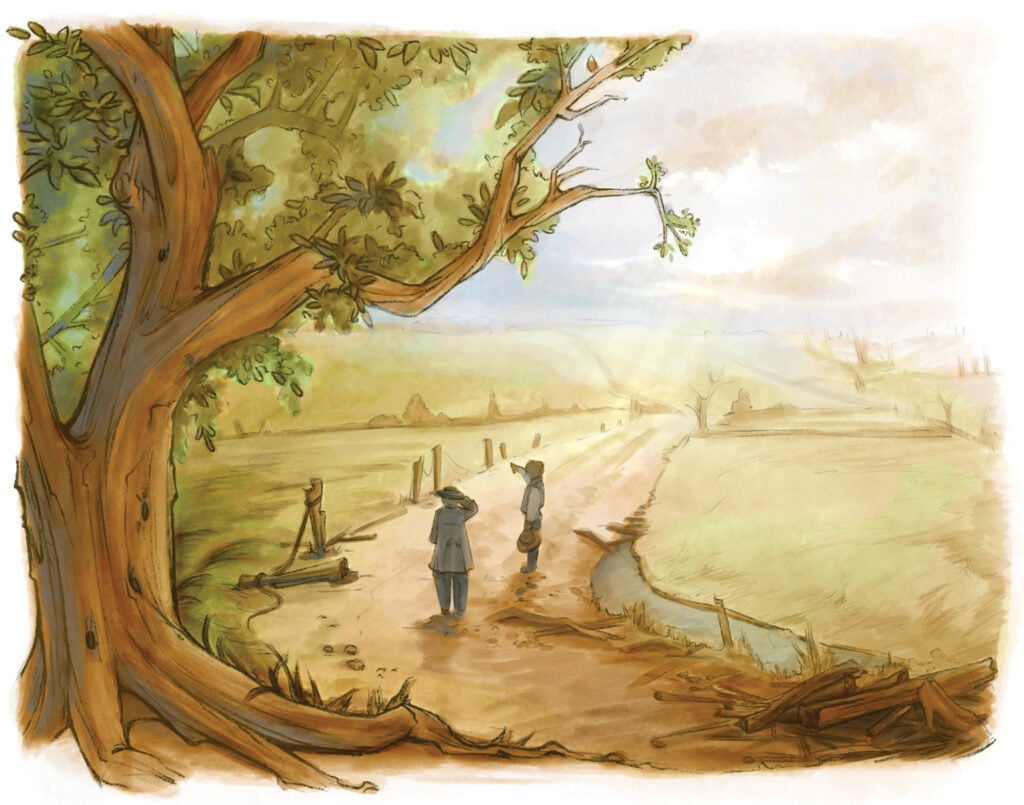
After the battle, when William was on his summer break, he had walked the battlefield with his friends, “gouging bullets out of shattered trees.” He later wished he still had one odd lump of lead that looked like a mushroom. It was formed when bullets fired from Confederate and Union rifles hit each other and fused, “falling to the ground harmless, united, and inseparable.” This was a sign to William that the North and the South would “be united by brotherly love into one great nation, ‘which shall not perish from the earth,’” just as President Lincoln hoped on that day in November.